


Bisoi, Uttarakhand
Bisoi, Uttarakhand
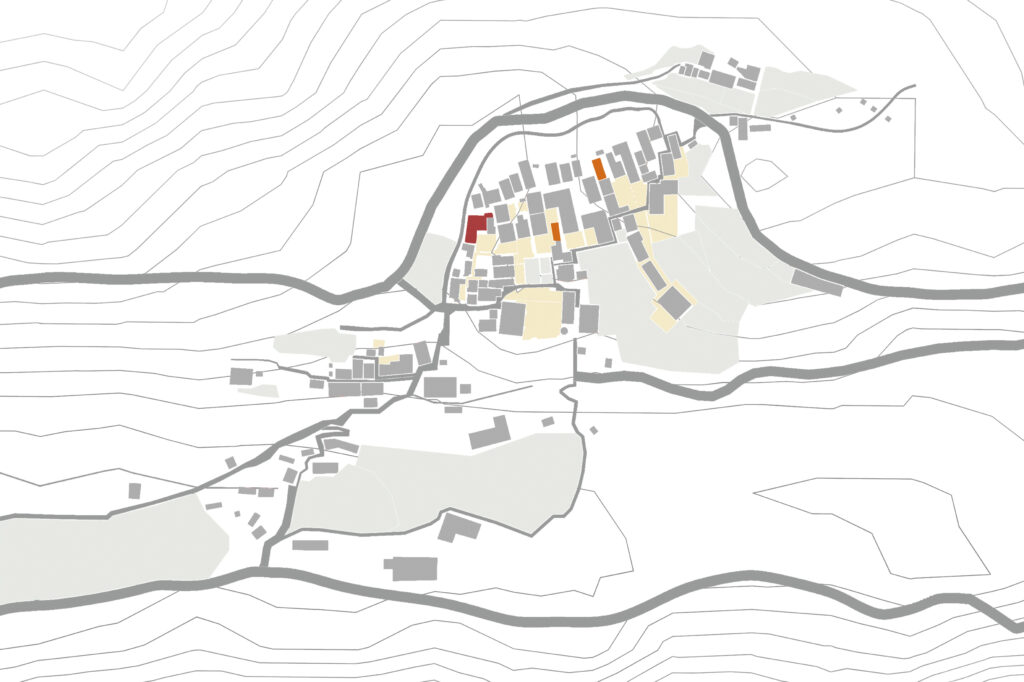
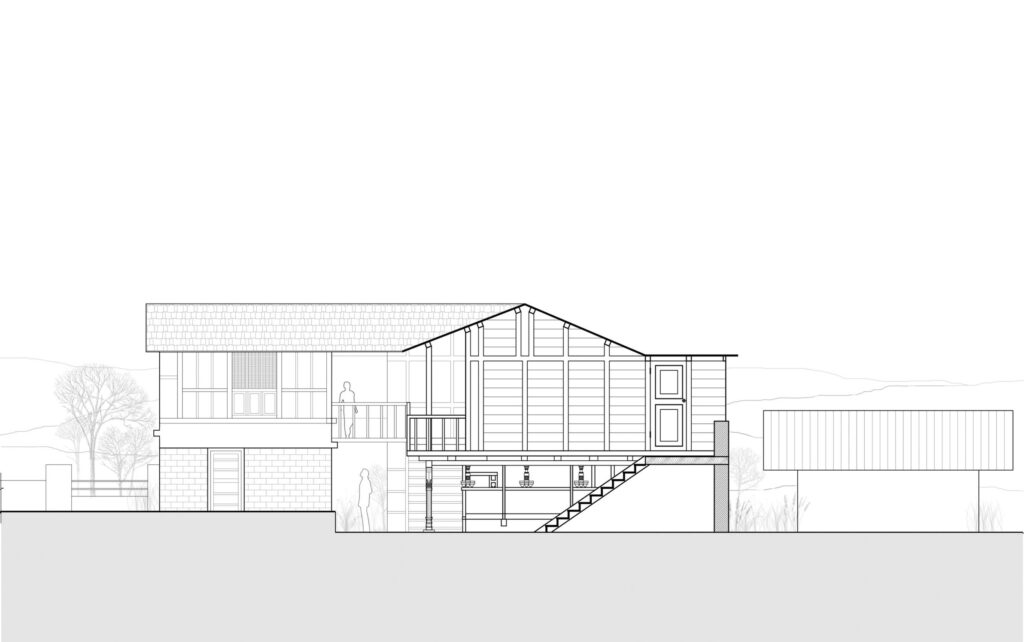
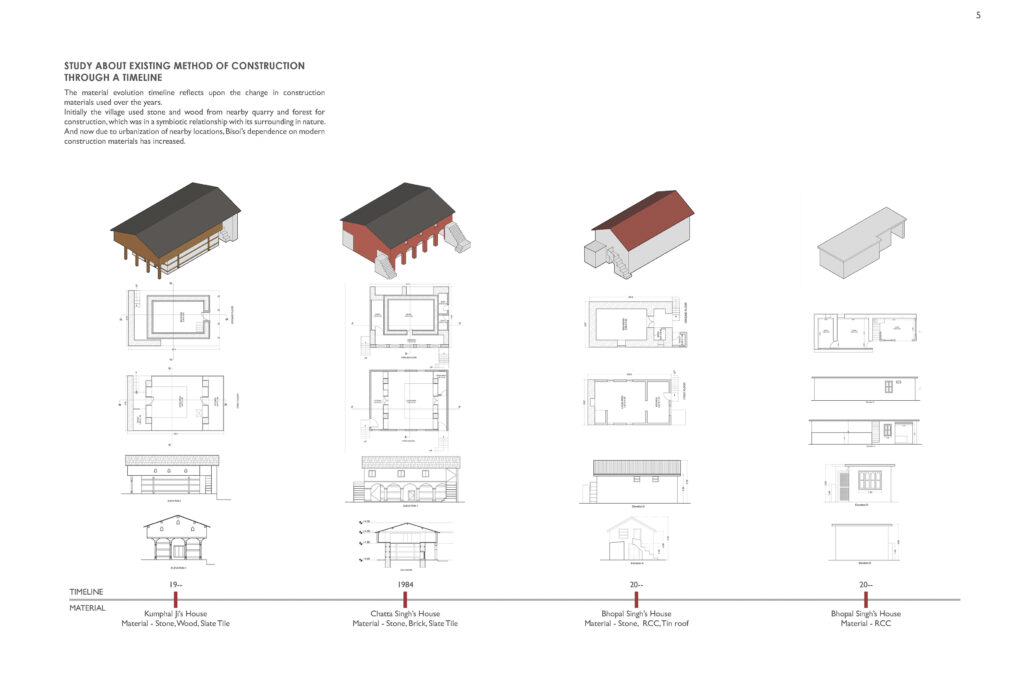
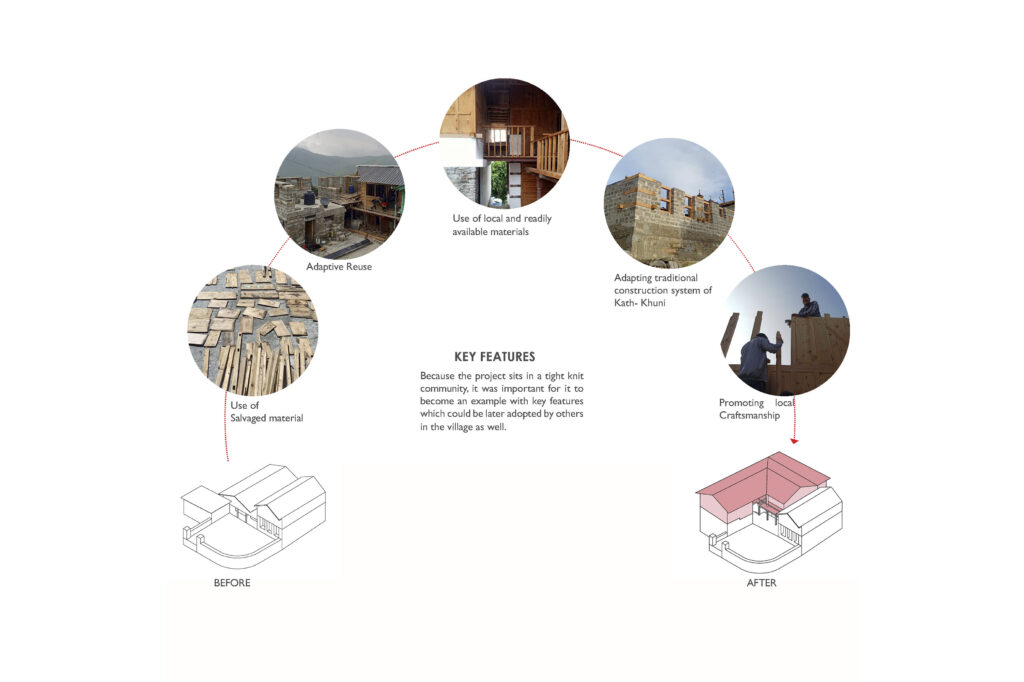
This homestay at Bisoi, Uttarakhand was designed as part of a larger funded research project – Resilient Himalayan Homes – in IIT Roorkee. The aim of this adaptive reuse project which DCOOP collaborated on was to demonstrate in the field, some of the critical and experimental insights of the research. These straddled social, economic, ecological and technological issues and at every scale revealed the fundamental tensions between constancy and change. The architectural explorations went hand in hand with processes that included community involvement, local craftmanship training, exploring livelihood possibilities, and lab experiments with material and technological alternatives.
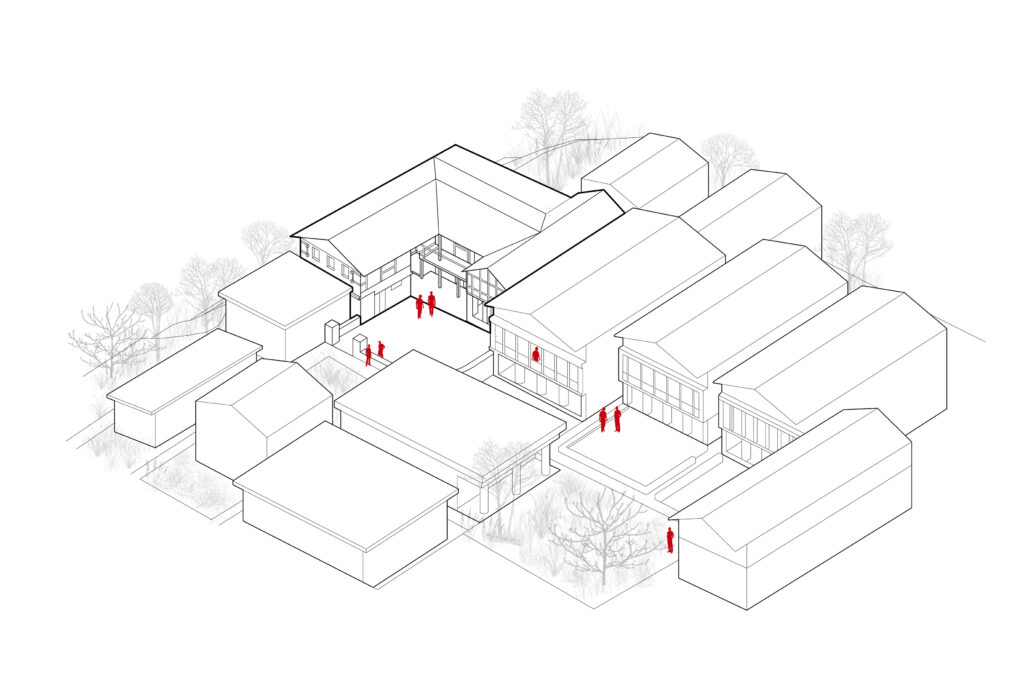
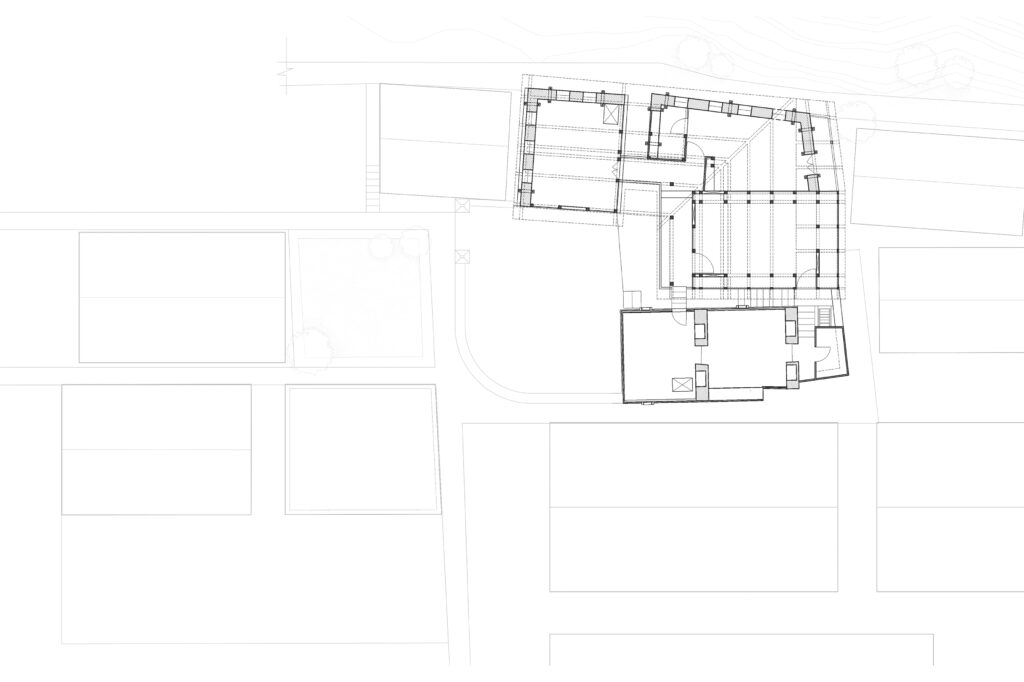
The old house consisted of three structures built at three different times of which the central one was the oldest and closest example of the traditional construction system (similar to the better-known Kat-khuni) but the upper wooden floor was in a bad condition and was also proving to be unsuitable for modern living with its low doors, steep staircases and non-existent utilities. This portion of the house was dismantled step by step to uncover its existing floor. Each beam, bracket was considered for possibility of being retained, replaced or repaired with the intent to try and retain the essence of existing house. As far as possible all the wood that was recovered from the old structure was replaned and reused.
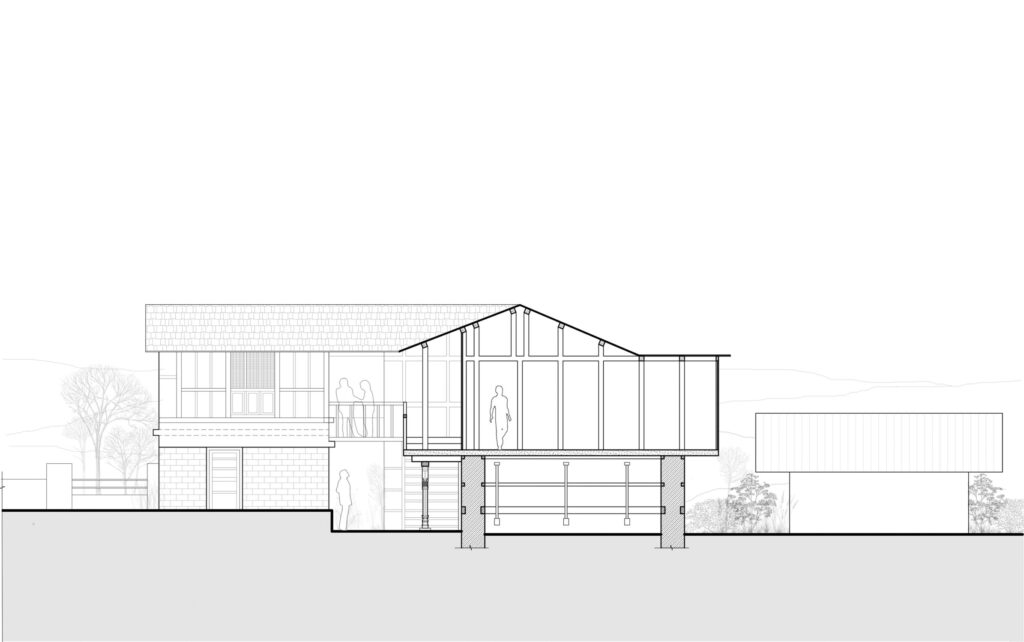
The design attempted to connect the three separate structures both formally and spatially while retaining the scale and articulation of the original buildings as well as its neighbours. Two additional bedrooms were added to be let out for homestays and the toilets and kitchen were modernized. Technologically the design was an experiment based on the understanding that increasingly locals prefer to use concrete because it is cheaper, more easily available and more convenient to construct as compared to stone and wood. However, the traditional wood-framed stone construction system has proven earthquake resilient qualities. We assisted IIT Roorkee to adapt this system using concrete blocks (in place of stone) and wood + steel framing (in place of larger wooden sections) to retain the earthquake resistant qualities of the masonry.
Visually the structure is a collage of construction systems each with its own logic, order, textures, and opacity. It is also a collage of history and functionality. It is in bringing these together seamlessly that the challenge and satisfaction of this project comes from.
2020 – 2021